

Hey there! As a supplier of titanium rods, I often get asked about the coating options for these amazing pieces of metal. Titanium rods are known for their high strength, low density, and excellent corrosion resistance, but sometimes, you might want to add an extra layer of protection or functionality. So, let's dive into the different coating options available for titanium rods.
1. Ceramic Coatings
Ceramic coatings are a popular choice when it comes to titanium rods. These coatings are hard, wear-resistant, and offer excellent protection against corrosion. They can also improve the biocompatibility of titanium rods, making them a great option for medical applications.
One of the key benefits of ceramic coatings is their high hardness. This hardness helps to prevent scratches and wear, which can extend the lifespan of the titanium rod. For example, in aerospace applications, where titanium rods are used in high-stress environments, a ceramic coating can protect the rod from damage caused by friction and abrasion.
Ceramic coatings can also enhance the corrosion resistance of titanium rods. They act as a barrier between the titanium and the surrounding environment, preventing the formation of rust and other forms of corrosion. This is particularly important in marine and chemical processing applications, where the rods are exposed to harsh chemicals and saltwater.
If you're interested in our ceramic-coated titanium rods, you can check out our 4928 Titanium Bar. It's a high-quality product that offers excellent performance with the added protection of a ceramic coating.
2. Polymer Coatings
Polymer coatings are another option for titanium rods. These coatings are flexible, lightweight, and can provide a range of different properties depending on the type of polymer used.
One of the main advantages of polymer coatings is their ability to provide a smooth and uniform surface finish. This can be beneficial in applications where a low-friction surface is required, such as in mechanical components or medical devices. Polymer coatings can also be used to improve the aesthetic appearance of titanium rods, giving them a more polished and professional look.
In addition to their surface finish properties, polymer coatings can also offer some level of corrosion protection. They can act as a barrier against moisture and other corrosive agents, helping to extend the lifespan of the titanium rod.

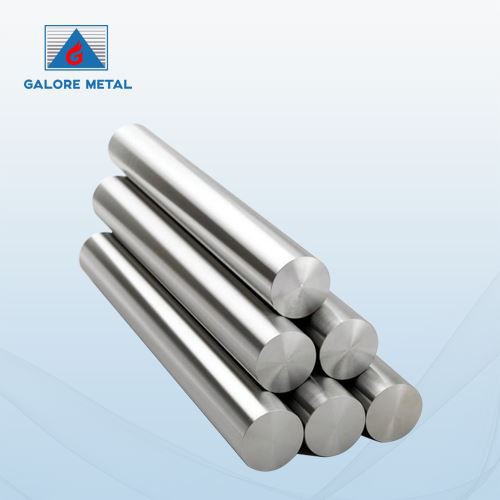
For medical applications, polymer coatings can be used to improve the biocompatibility of titanium rods. Some polymers are designed to be non-toxic and non-irritating, making them suitable for use in contact with the human body. If you're looking for a polymer-coated titanium rod for medical use, you can take a look at our Pure Titanium Bar Medical Use.
3. Diamond-Like Carbon (DLC) Coatings
Diamond-like carbon (DLC) coatings are a relatively new type of coating for titanium rods. These coatings have a unique combination of properties, including high hardness, low friction, and excellent wear resistance.
One of the key advantages of DLC coatings is their extremely low friction coefficient. This makes them ideal for applications where reduced friction is important, such as in bearings, gears, and other moving parts. The low friction also helps to reduce energy consumption and wear, leading to longer-lasting components.
DLC coatings are also highly wear-resistant. They can withstand high levels of stress and abrasion without losing their integrity, making them suitable for use in high-performance applications. In addition, DLC coatings can improve the corrosion resistance of titanium rods, providing an extra layer of protection against the elements.
Our Purity Medical Titanium Bar can be coated with DLC for medical applications. The DLC coating not only enhances the performance of the rod but also ensures its biocompatibility, making it a great choice for medical implants.
4. Titanium Nitride (TiN) Coatings
Titanium nitride (TiN) coatings are a well-established coating option for titanium rods. These coatings are known for their high hardness, wear resistance, and golden-yellow color.
TiN coatings are often used in cutting tools and machining applications. The high hardness of the coating helps to improve the cutting performance of the tool, reducing wear and increasing tool life. The golden-yellow color of the TiN coating also provides a visual indication of the coating's presence, which can be useful in quality control.
In addition to their use in cutting tools, TiN coatings can also be applied to titanium rods for decorative purposes. The attractive golden color can give the rods a more upscale and professional appearance, making them suitable for use in architectural and design applications.
5. Considerations When Choosing a Coating
When choosing a coating for your titanium rods, there are several factors to consider. First, you need to think about the application of the rod. Different applications have different requirements, so you need to choose a coating that can meet those requirements. For example, if the rod will be used in a high-stress environment, you might want to choose a hard and wear-resistant coating like a ceramic or DLC coating.
You also need to consider the cost of the coating. Some coatings, such as DLC coatings, can be more expensive than others. You need to balance the cost of the coating with the benefits it provides to ensure that you're getting the best value for your money.
Another important factor is the compatibility of the coating with the titanium rod. Some coatings may react with the titanium, causing damage or reducing the performance of the rod. It's important to choose a coating that is compatible with the titanium and that will not cause any adverse reactions.
Contact Us for More Information
If you're interested in learning more about the coating options for titanium rods or if you're looking to purchase coated titanium rods, we'd love to hear from you. We have a wide range of titanium rods available, and we can help you choose the right coating for your specific application.
Whether you need a ceramic-coated rod for aerospace, a polymer-coated rod for medical use, or a TiN-coated rod for decorative purposes, we've got you covered. Just reach out to us, and we'll work with you to find the perfect solution.
References
-ASM Handbook Volume 5: Surface Engineering. ASM International.
-Schwartz, M. (2004). Handbook of Coating Technology for Metals. McGraw-Hill.
-Wilson, W. D. (2007). Titanium: A Technical Guide. ASM International.


