

Hey there! As a supplier of Purity Medical Titanium Bar, I often get asked about the wear resistance of these bars. So, I thought I'd write this blog to break it down for you in plain English.
First off, let's understand what wear resistance means. Wear resistance is the ability of a material to withstand damage caused by friction, abrasion, or other forms of contact with other surfaces. In the medical field, this is super important. Medical titanium bars are used in all sorts of applications, like implants and surgical instruments. These parts need to be able to last a long time without wearing out, as any wear can lead to a decrease in performance and potentially harm the patient.
Now, let's talk about why Purity Medical Titanium Bar is so good at resisting wear. Titanium, in general, has some pretty amazing properties. It's lightweight, strong, and corrosion - resistant. But when it comes to wear resistance, there are a few key factors at play.
One of the main reasons for its good wear resistance is its surface hardness. Titanium can form a thin, hard oxide layer on its surface when exposed to oxygen. This oxide layer acts as a protective shield, reducing the direct contact between the titanium bar and other surfaces. As a result, the amount of wear due to friction and abrasion is significantly reduced.
Another factor is the material's microstructure. Purity Medical Titanium Bar is made with high - purity titanium, which means it has a more uniform and stable microstructure compared to lower - quality titanium. A uniform microstructure helps in distributing the stress evenly across the material when it's subjected to wear. This reduces the chances of localized wear and tear, and helps the bar maintain its integrity over time.
Let's compare Purity Medical Titanium Bar with some other materials commonly used in the medical field. Stainless steel is another popular choice for medical devices. While stainless steel is also strong and corrosion - resistant, it generally has lower wear resistance compared to titanium. This is because the oxide layer on stainless steel is not as hard and protective as the one on titanium. Over time, stainless steel can start to wear out, especially in high - friction applications.
Ceramics are also used in some medical applications, and they have excellent wear resistance. However, ceramics are brittle and can crack or break easily. Titanium, on the other hand, is more ductile, which means it can bend and deform to some extent without breaking. This makes Purity Medical Titanium Bar a more reliable choice in many medical scenarios where the material may be subjected to mechanical stress.
When it comes to specific applications, Purity Medical Titanium Bar shines in orthopedic implants. In joints like the hip and knee, there is a lot of movement and friction. Implants made from Purity Medical Titanium Bar can withstand this constant wear and tear, providing long - term support and stability. The wear resistance of these bars ensures that the implants don't wear down and cause pain or complications for the patient.

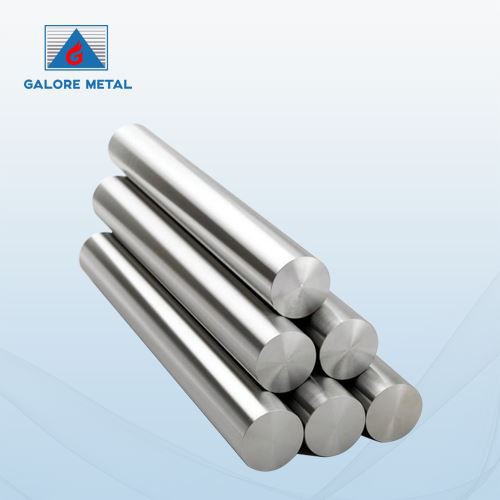
In dental implants, wear resistance is also crucial. The constant chewing and biting put a lot of stress on the implants. Purity Medical Titanium Bar can handle this stress well, ensuring that the dental implants last for a long time. The smooth surface of the titanium bar also helps in preventing the buildup of bacteria, which is important for maintaining oral health.
If you're in the market for high - quality titanium bars for medical use, you might be interested in our ASTM B348 Industrial Titanium Bar. It meets the strict ASTM standards and is a great option for various industrial and medical applications. Our Purity Medical Titanium Bar is specifically designed for medical use, with the highest level of purity and excellent wear resistance. And if you're looking for a pure titanium bar for medical use, check out our Pure Titanium Bar Medical Use.
We understand that every medical project is unique, and you may have specific requirements for the wear resistance of the titanium bars. That's why we offer customized solutions. Our team of experts can work with you to determine the best grade and specifications of the titanium bar for your needs. Whether you need a bar with a higher surface hardness or a specific microstructure, we can make it happen.
In conclusion, the wear resistance of Purity Medical Titanium Bar is one of its most valuable properties. Thanks to its surface hardness, uniform microstructure, and other unique characteristics, it can withstand the rigors of medical applications for a long time. If you're involved in the medical industry and are looking for a reliable titanium bar supplier, don't hesitate to get in touch. We're here to help you find the perfect solution for your project.
If you have any questions or want to start a discussion about purchasing Purity Medical Titanium Bar, feel free to reach out. We're always happy to chat and help you make the right choice for your medical needs.
References
- ASM Handbook, Volume 2: Properties and Selection: Nonferrous Alloys and Special - Purpose Materials
- "Titanium and Titanium Alloys: Fundamentals and Applications" by Yuri E. Kalyanov


