

Hey there! As a supplier of Purity Medical Titanium Bars, I often get asked whether these bars can be used in plastic surgery. Well, let's dive right into it and explore this topic in detail.
First off, let's talk a bit about what Purity Medical Titanium Bars are. These bars are made from high - purity titanium, which is known for its excellent biocompatibility, corrosion resistance, and high strength - to - weight ratio. Purity Medical Titanium Bar has a wide range of applications in the medical field, and plastic surgery is one area where its properties can potentially shine.
In plastic surgery, the materials used need to be safe for the human body. Titanium is a great choice because it doesn't cause allergic reactions in most people. Unlike some other metals, it doesn't leach harmful substances into the body tissues. This biocompatibility is crucial in plastic surgery, where implants are often placed under the skin or within the body for an extended period. For example, when performing facial reconstruction surgeries, the implant needs to integrate well with the surrounding tissues without causing inflammation or rejection. Titanium's ability to be well - tolerated by the body makes it a prime candidate for such procedures.
Another important aspect is the strength of the Pure Titanium Bar Medical Use. In plastic surgery, especially in procedures like breast augmentation or body contouring, the implant needs to maintain its shape and integrity over time. Titanium bars have high tensile strength, which means they can withstand the forces exerted on them within the body. Whether it's the pressure from surrounding tissues or the normal movements of the body, a titanium bar can hold up well.
The corrosion resistance of titanium is also a major plus. The human body is a complex environment with various fluids and chemicals. Implants made from materials that corrode easily can cause a host of problems, including infection and tissue damage. Titanium forms a thin, protective oxide layer on its surface, which prevents it from corroding in the body's environment. This ensures the long - term stability of the implant and reduces the risk of complications.
Now, let's look at some specific applications of Purity Medical Titanium Bars in plastic surgery. One of the common uses is in craniofacial surgery. When there are fractures or defects in the skull or facial bones, titanium bars can be used to provide support and help with the reconstruction. They can be shaped and contoured to fit the specific anatomical needs of the patient. The bars can be fixed in place using screws or other fixation devices, and over time, the bone tissue can grow around the titanium, further integrating it into the body.
In addition, in orthopedic plastic surgery, which deals with the correction of musculoskeletal deformities, titanium bars can be used to realign bones or provide support during the healing process. For example, in limb - lengthening procedures, titanium bars can be used as part of the external or internal fixation systems. They help maintain the correct alignment of the bones and allow for controlled growth and healing.
However, like any material used in medical procedures, there are also some considerations. One of the main factors is the cost. Titanium is a relatively expensive material compared to some other alternatives. This can make the overall cost of the plastic surgery procedure higher. But it's important to note that the benefits in terms of safety, durability, and long - term performance often outweigh the cost factor.
Another aspect is the surgical expertise required. Working with titanium bars in plastic surgery is not a straightforward process. Surgeons need to have the skills and experience to handle and implant the bars correctly. Improper implantation can lead to complications such as loosening of the implant, nerve damage, or improper alignment.
Let's also touch on the 4928 Titanium Bar. This specific type of titanium bar has its own set of properties and characteristics. It may have different levels of purity, strength, and surface finish compared to other titanium bars. Depending on the specific requirements of the plastic surgery procedure, the 4928 Titanium Bar might be a suitable choice. For example, if a more precise and lightweight implant is needed, the 4928 Titanium Bar could be considered.
In conclusion, Purity Medical Titanium Bars can definitely be used in plastic surgery. Their biocompatibility, strength, corrosion resistance, and other properties make them a valuable option for a variety of plastic surgery procedures. While there are some challenges such as cost and the need for surgical expertise, the advantages are significant.
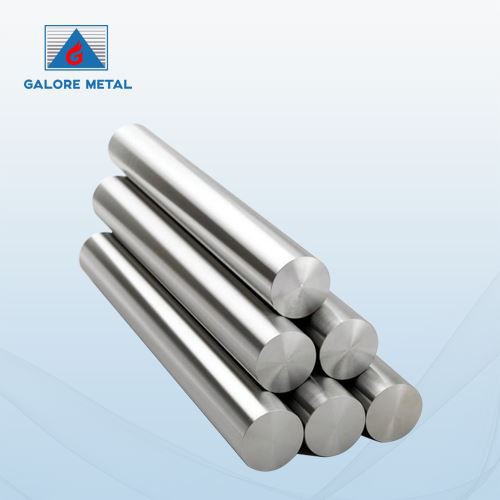

If you're in the plastic surgery industry or involved in medical research related to plastic surgery and are interested in sourcing high - quality Purity Medical Titanium Bars, I'd love to have a chat with you. We can discuss your specific needs, the different types of bars we offer, and how they can fit into your procedures. Contact me to start a procurement discussion and see how we can work together to provide the best solutions for your plastic surgery needs.
References
- Textbooks on Biomaterials in Medicine
- Research papers on the use of titanium in medical applications
- Industry reports on medical titanium products


