

Selecting the right supplier for titanium rods is crucial, especially when you're in industries like aerospace, medical, or manufacturing where the quality of these rods can make or break your project. As someone who's been in the titanium rods supply game for a while, I've seen firsthand the importance of making the right choice. In this blog, I'll share some tips on how to pick the best supplier for your titanium rod needs.
Quality Assurance
First off, quality is non - negotiable. You need to ensure that the supplier adheres to industry standards. For instance, ASTM B348 Industrial Titanium Bar is a well - known standard in the industry. A reliable supplier should be able to provide documentation that proves their products meet these standards. This could include certificates of compliance, test reports, and material traceability.
Ask for samples before placing a large order. This way, you can test the titanium rods yourself. Check for things like surface finish, dimensional accuracy, and mechanical properties. A good supplier won't hesitate to send you samples because they're confident in the quality of their products.
Production Capacity
Your supplier should be able to meet your quantity requirements. If you're working on a large - scale project, you need a supplier with enough production capacity. Find out about their manufacturing facilities, the number of machines they have, and their production lead times.
Some suppliers might have long lead times, which could delay your project. On the other hand, a supplier with excess capacity might cut corners to fill their production lines. It's a balancing act. You want a supplier who can produce the quantity you need in a reasonable amount of time without sacrificing quality.
Customization Options
Every project is different, and you might need titanium rods with specific dimensions, grades, or finishes. A great supplier offers customization options. For example, if you need 4928 Titanium Bar with a unique diameter or length, they should be able to accommodate your request.
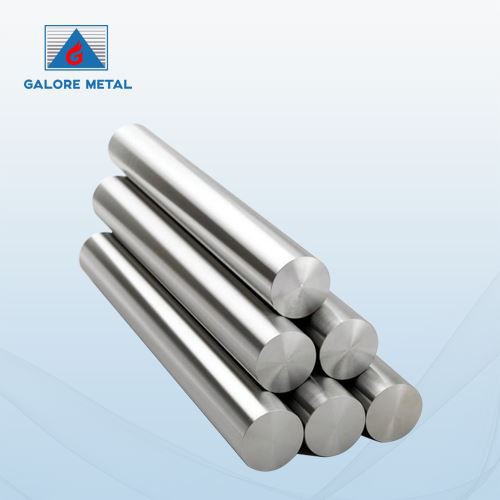

They should also have the technical expertise to help you choose the right grade of titanium for your application. For medical use, Pure Titanium Bar Medical Use is often required. The supplier should be able to explain the differences between grades and how they affect the performance of the rods.
Pricing
Pricing is always a factor, but it shouldn't be the only one. A very low price might indicate poor quality. Look for a supplier who offers a fair price for the quality of the product. Compare prices from different suppliers, but also consider the value you're getting.
Some suppliers might offer volume discounts, which can be beneficial if you're ordering a large quantity. Others might include additional services like packaging, shipping, or technical support in their price. Make sure you understand the full cost before making a decision.
Reputation and Experience
A supplier's reputation says a lot about their reliability. Check online reviews, testimonials, and case studies. Talk to other businesses in your industry who have used the supplier. Find out if they've had any issues with quality, delivery times, or customer service.
Experience also matters. A supplier who's been in the business for a long time is more likely to have a better understanding of the market and the needs of their customers. They're also more likely to have established relationships with raw material suppliers, which can lead to better quality and more stable pricing.
Customer Service
Good customer service can make the whole purchasing process a lot smoother. You want a supplier who's responsive to your inquiries. They should be able to answer your questions quickly and provide you with the information you need.
If there are any issues with your order, like damaged products or incorrect specifications, the supplier should be willing to work with you to resolve them. A supplier who values their customers will go the extra mile to ensure your satisfaction.
Logistics and Delivery
The supplier should have a reliable logistics system in place. This includes proper packaging to prevent damage during transit and on - time delivery. Find out what shipping methods they use and how they track the progress of your order.
Some suppliers offer expedited shipping options, which can be useful if you're in a hurry. Make sure you understand the shipping costs and any additional fees that might be involved.
Follow - up and Support
Even after you've received your order, the relationship with your supplier shouldn't end. A good supplier will follow up with you to make sure you're satisfied with the product. They should also be available to provide you with technical support if you have any questions about using the titanium rods.
If you have future projects, they should be able to offer advice on the best products for your needs. This ongoing support can be very valuable in the long run.
Conclusion
Selecting the right supplier for titanium rods is a process that requires careful consideration. You need to look at factors like quality, production capacity, customization options, pricing, reputation, customer service, logistics, and follow - up support. By taking the time to research and evaluate different suppliers, you can find the one that best meets your needs.
If you're in the market for high - quality titanium rods and want to discuss your requirements, I'd be more than happy to help. Reach out and let's start a conversation about how we can work together to make your project a success.
References
- ASTM International standards on titanium alloys
- Industry reports on titanium rod manufacturing and supply
- Case studies from various companies in the aerospace, medical, and manufacturing industries


