


Why Choose Us?
Quality Products
We use the most advanced technology in titanium production and testing equipment, the products produced comply with standards such as ASTM/ASME/DIN/JIS.
Rich Experience
We are a world-class leading supplier and manufacturer of high-quality titanium products with a history of 10 years.
Wide Range Of Products
Our products including plates/plates, tubes/tubes, fittings, rods/rods, wires, fasteners and forged parts, titanium containers , Heat exchanger equipment, etc. It also specializes in the machining and export of non-ferrous metals, such as zirconium, tantalum, niobium, nickel alloys, etc.
Reliable Service
"Based on honesty, innovation for far-reaching" Is the way we have been doing business for a long time, After ten years of accumulation, our sales network covers different regions of the world.
What is 4928 Titanium bar
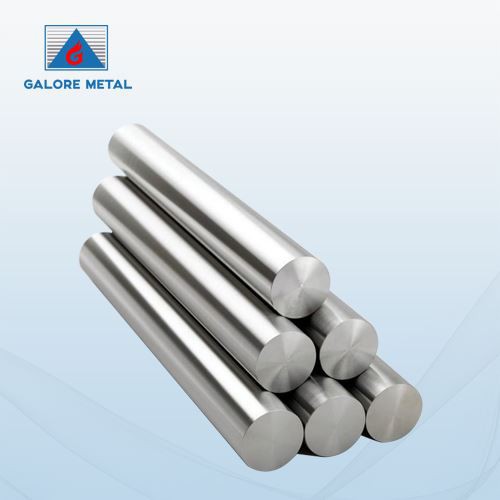
4928 titanium bar is a high-strength titanium alloy that revolutionizes the aerospace industry with its exceptional properties and versatility. As a member of the Ti-6Al-4V alloy family, it is renowned for its remarkable combination of strength, low density, and corrosion resistance. 4928 titanium bar stands as a testament to the power of titanium alloys in pushing the boundaries of aerospace manufacturing.

Titanium Alloy Bar 3D Printing
We supply titanium and titanium alloy rods made by the plasma rotary electrode atomization method PREP for aerospace, shipbuilding, medical, etc., using the plasma atomization method for PA powdering, electron beam fuse deposition rapid prototyping EBF3, arc fuse gas GMAW and GTAW titanium and titanium alloy wire products.

Titanium-Zirconium-Niobium Alloy Rod
Medical titanium is used for medical devices. Ti13Nb13Zr is mainly used for surgical implantation of the human body, such as joint production and bolt production for human implantation.
Medical titanium is used in medical devices, prostheses or auxiliary treatment equipment. It is characterized by its elastic modulus close to natural bone and is an indispensable metal material in medical treatment. Medical titanium plates are used to manufacture titanium alloys for medical devices implanted in the human body, prostheses or artificial organs and auxiliary treatment equipment.

Worldwide, 50% of titanium materials are used in the aviation field. At present, most high-speed aircraft in the world use titanium alloys as structural materials.
Our aviation titanium rods have undergone strict manufacturing and inspection processes and have been long-term supplied to China's Chengfei, Xi'an and other aircraft manufacturers. The quality of the materials has been rigorously tested to ensure that it is foolproof.

ASTM B348 Industrial Titanium Bar
Titanium rods are widely used in the global industrial field. We will keep most of the specifications of industrial titanium rods in stock. You can contact us to get the inventory list. Special specification titanium rods need to be customized, but it will not take too long. Please rest assured to place an order.

Medical titanium rods have low density, light weight, high strength, good corrosion resistance, high temperature resistance, and low temperature resistance. It is a very good material. As an emerging material, medical titanium rods have been used in the global pharmaceutical industry, surgical instruments, human implants and other medical fields for decades and have achieved great success.

The Titanium Hex Bar and square bar for Sale contains a certain amount of elements that stabilize the alpha phase, and are mainly composed of the alpha phase in equilibrium. In addition, it has the advantage of small specific gravity, good thermal strength, good weldability and so on. There are various kinds of size options, thus to provide more choices to meet need. Due to the proper size and compact design, it is really easy for use and there is no special need of maintaining.

Russian Standard Titanium Alloy Rod
Bt22 titanium alloy is a Russian standard grade, and the composition is Ti5Al5Mo5V1Cr1Fe.BT22 titanium alloy can be welded in various ways and has good welding performance after annealing. Mainly used in aircraft structure, landing gear and other large load-bearing structural parts. The alloy is generally used in a double-annealed state, and it can also be strengthened by solution aging. The BT22 titanium alloy materials we can supply mainly include plates, bars, tubes, fasteners, extruded profiles and forgings.

Galore metal titanium plate products have high dimensional accuracy, good plate shape and surface quality, stable structure and performance, and can be customized and high-end product production according to customer requirements. Standard size plates can be cut according to customer requirements.
Composition and Properties: 4928 Titanium Bar
4928 titanium bar derives its extraordinary characteristics from its specific composition. It consists of approximately 90% titanium (Ti), 6% aluminum (Al), and 4% vanadium (V), with trace amounts of other elements. This composition grants 4928 titanium bar the following properties:
01/
High Strength: 4928 titanium bar exhibits excellent tensile strength and fracture toughness, allowing it to withstand extreme loads and stresses, making it ideal for structural aerospace components.
02/
Lightweight: The low density of titanium contributes to the lightweight nature of 4928 titanium bar, ensuring fuel efficiency and increased payload capacity for aircraft.
03/
Corrosion Resistance: This alloy possesses exceptional resistance to corrosion, oxidation, and chemicals, making it suitable for applications in corrosive environments.
04/
High Temperature Performance: 4928 titanium bar retains its strength and mechanical properties at elevated temperatures, enabling it to excel in high-temperature applications such as engine components.
05/
Fatigue Resistance: 4928 titanium bar exhibits impressive fatigue resistance, ensuring prolonged operational life for aerospace structures subjected to cyclic loading.
06/
Biocompatibility: The alloy's biocompatible nature makes it suitable for medical implants, further expanding its range of applications.
Features of Titanium Grades
Titanium Grade 1
This is a non-alloyed, low strength titanium product containing low oxygen with high formability. This grade is used in airframes, heat exchangers and desalination units.
Titanium Grade 2
This is a non-alloyed, medium strength titanium product. This grade is used in airframes, aircraft engines, and marine equipment. This grade features good weldability and corrosion resistance.
Titanium Grade 3
This is a non-alloyed, high strength titanium product providing excellent corrosion resistance and good weldability. This grade is primarily used in airframes and aircraft engine parts.
Titanium Grade 4
This is the highest strength pure non-alloyed titanium product. This grade is used exclusively for aircraft components, marine equipment, surgical implants, and hydraulic tubing. It contains good formability and it is corrosion resistant.
Titanium Grade 5 (6Al – 4V)
This is an alloyed products containing 6% aluminum and 4% vanadium.
Titanium Grade 7
This is a non-alloyed medium strength product containing palladium in the range of 0.12% to 0.25%. It has superior corrosion resistance. This grade is mainly used for industrial applications.
Titanium Grade 9 (3Al – 2.5V)
This is an alloyed titanium product containing 3% aluminum and 2.5% vanadium.
6AL - 2Sn - 4Zr - 2Mo (6-2-4-2)
This is an alloyed product containing 6% aluminum, 2% tin, 4% zirconium, and 2% molybdenum.
6AL - 6V - 2Sn (6-6-2)
This is an alloyed product containing 6% aluminum, 6% vanadium, and 2% tin.
5AL - 2.5Sn (5-2.5)
This is an alloyed product containing 5% aluminum and 2.5% tin.
8AL-1V-1Mo (8-1-1)
This is an alloyed product containing 8% aluminum, 1% vanadium, and 1% molybdenum.
4928 Titanium Bar: What Makes It so Valuable
Titanium is one of the most versatile metals that has ever been discovered. Its strength, light weight, corrosion resistance, and overall durability have made it an extremely popular material for a wide range of industrial applications. However, when it comes to the aerospace industry, titanium takes on a whole new level of importance.
Aerospace grade titanium bar is a specific type of titanium that is used in the manufacturing of aircraft and spacecraft components. What makes this material so valuable?
4928 titanium bar is incredibly lightweight. This is crucial in the aerospace industry, where keeping weight to a minimum is a top priority. In fact, titanium is one of the lightest metals available, and it has a higher strength-to-weight ratio than any other metal. This means that aerospace grade titanium bar can be used to create incredibly strong and durable components that are still lightweight enough to be practical for use in aircraft and spacecraft.
Another key advantage of aerospace grade titanium bar is its corrosion resistance. In an environment where metal components are constantly exposed to moisture, salt, and other corrosive substances, this is an essential characteristic. Unlike many other metals that can rust and corrode over time, aerospace grade titanium bar is highly resistant to corrosion. This means that it can be used to create long-lasting components that won't degrade over time.
In addition to its strength and resistance to corrosion, aerospace grade titanium bar is also highly heat-resistant. This is critical in the aerospace industry, where components can be subjected to extreme temperatures during takeoff, flight, and landing. Titanium can withstand temperatures up to 600 degrees Celsius, making it an ideal material for use in high-temperature applications.
The durability and strength of aerospace grade titanium bar do come at a higher cost than other materials. However, given its incredible performance characteristics, it is often considered worth the investment in many aerospace applications.
Aerospace grade titanium bar is an incredibly valuable material that plays a critical role in the manufacturing of aircraft and spacecraft. Its lightweight, corrosion-resistant, and heat-resistant properties, combined with its high strength-to-weight ratio, make it an ideal material for many aerospace applications.
4928 Titanium Bar Specifications
4928 titanium is characterized by the 6AL-4V alloy, and one of the most commonly used alloys.
Forming The 4928 Titanium Bar
The 4928 titanium bar is formed through hot forging which is essential in the formation of the alloy's mechanical properties. This is coupled with a repetitive process of hot rolling, polishing, machining, extrusion, casting, welding, and spinning the product leading to different 4928 versions depending on the properties. These combined processes make the final product adaptable to the functions it was intended for, in aerospace, automotive, agricultural, and other biomechanical uses, among a few. Due to the nature and tenacity of titanium bars, additional refinement can be added due to the presence of quality bulk material.
Composition Analysis Of 4928 Titanium Bar
With a balanced titanium chemical composition including aluminum composites of between 5-5% -6.75% and Vanadium of between 3.5%-4.5%, the 4928 can be forged to form titanium alloy bars, forging, wire, rings, and drawn shapes. Other properties such as Iron, Oxygen, Nitrogen, Carbon, and Hydrogen have maximum levels ranging from 0.30% to 0.005% depending on the different 4928 specifications.
Tensile Properties Of The 4928 Titanium Bar
The tensile properties of the 4928 vary in various section thicknesses, orientation, and organizational engineering preferences. For instance, the new 4928 version has increased coverage from 6′ inch diameter to 10′ inch one, with the least distance between parallel sides.
Titanium Grade 5: The Workhorse of 4928 Titanium Bar
In the world of metals-and the countless industries that count on them-there are a seemingly endless amount of different types, alloys, and applications. It is impossible to put any one metal into one universal generalization.
Titanium Grade 5
Take titanium, for instance. Titanium is an incredibly important metal in modern manufacturing; it is utilized by every worldwide industry of any size, and it has infinite uses. Titanium is strong and durable, yet lightweight, and offers numerous distinct advantages.
All titanium is not created equal, though. In addition to pure titanium, there are many titanium alloys, the properties of which vary greatly depending on their unique composition. Titanium is generally broken up into four distinct groups: unalloyed titanium; alpha structure; alpha beta structure; and beta structure. Each possesses different properties and therefore serves the needs of different applications and industries.
By far the most common of the titanium alloys is titanium Grade 5. It is classified as an alpha-beta alloy, and consists of 6% aluminum, 4% vanadium, and trace amounts of iron. This Titanium alloy is aslo often referred to as Ti 6AI-4V.
There are many reasons why grade 5 is so commonly used, including its exceptional strength-it is much stronger than commercially-pure titanium, but possesses the same stiffness and thermal properties pure titanium is known for. Additionally, it is heat-treatable, making it ideal for many manufacturing applications. The fact that it is easily welded and fabricated, while offering high strength and corrosion resistance, makes it easy to see why it is the most common titanium alloy in the world.
Titanium grade 5 is also able to withstand a range of environmental factors, including seawater, and can withstand temperatures up to nearly 800°F. Additional advantages include good fatigue resistance, low thermal expansion, high strength-to-weight ratio, and low modulus of elasticity.
For these reasons, titanium grade 5 is very often used in offshore and subsea oil and gas applications, and in general within the oil industry. It is also frequently used within the aerospace industry for a range of applications, as well as within the marine industry. Both aerospace and automotive manufacturers count on titanium grade 5 for engine components, and it is widely used in the power generation industry. This titanium alloy is also frequently used within the medical field, particularly for instruments and prosthetics, and even within the human body, in the form of surgical implants.
What Can 4928 Titanium Bar Be Used For
Aerospace: Titanium bar are used in aircraft components, such as engine parts, landing gear, and structural components, due to their high strength-to-weight ratio and corrosion resistance.
Medical Implants: Titanium bar are biocompatible and resistant to corrosion, making them ideal for use in surgical implants such as hip and knee replacements, dental implants, and spinal implants.
Chemical Processing: Titanium bar are resistant to corrosion and can withstand high temperatures, making them suitable for use in chemical processing equipment such as reactors, heat exchangers, and tanks.
Sports Equipment: Titanium bar are used in high-performance sports equipment such as golf clubs, bicycle frames, and tennis rackets due to their strength, stiffness, and lightweight.
Automotive: Titanium bar can be used in automotive applications such as exhaust systems, suspension components, and engine parts due to their high strength, heat resistance, and corrosion resistance.
Jewellery: Titanium bar are used in jewellery due to their strength, durability, and hypoallergenic properties.
Oil And Gas: Titanium bar are used in oil and gas production equipment such as offshore drilling rigs, pipelines, and wellheads due to their corrosion resistance and high strength-to-weight ratio.
Our Factory
Galore Metal Technology is a world-class leading supplier and manufacturer of high-quality titanium products with a history of 10 years. We maintain a complete inventory and production capacity of titanium rolling mill products that comply with ASTM/ASME/DIN/JIS and other standards, including plates/plates, tubes/tubes, fittings, rods/rods, wires, fasteners and forged parts, titanium containers , Heat exchanger equipment, etc. It also specializes in the machining and export of non-ferrous metals, such as zirconium, tantalum, niobium, nickel alloys, etc.


FAQ
Q: Is Grade 5 Titanium the best?
A: Grad 5 is the most widely used titanium alloy. It has very high strength but relatively low ductility. Compared to pure titanium, grad 5 has much higher tensil strength and a higher yeld point. Titanium grad 5 is therefore preferable when the strength is more important than the corrosion resistance.
Q: Why is Grade 5 titanium so expensive?
A: Grade 6AL – 4V (6-4, Grade 5) is an alloy where titanium has been bonded with Aluminum and Vanadium to produce higher strength. It is also more weldable and more easily fabricated. With that, typically, comes a higher price tag.
Q: What is titanium Grade 2 4928 titanium bar?
A: Grade 2 is the most widely used titanium alloy in all product forms, it has similar characteristics as grad 1 but is slightly stronger. Grade 2 offering an excellent balance of moderate strength and reasonable ductility. Highly corrosion resistant in highly oxidizing and mildly reducing environments, including chlorides. Grade 2 has very good weldability.
Typical Grade 2 Applications is for corrosion resistant in the chemical and offshore industries, in aircraft construction where a certain strength level and ease of formability is desired. Also used in heat exchangers, hypochlorite systems, fire water systems, ballast water systems, risers, fittings, flanges, fasteners, forgings, pumps, valves.
Typical Grade 2 Applications is for corrosion resistant in the chemical and offshore industries, in aircraft construction where a certain strength level and ease of formability is desired. Also used in heat exchangers, hypochlorite systems, fire water systems, ballast water systems, risers, fittings, flanges, fasteners, forgings, pumps, valves.
Q: What is titanium 4928 titanium bar?
A: Titanium grade 1 is one of four commercially pure titanium qualities'. It's the softest of all four grades with the highest formability and corrosion resistance and lowest strength. It has an excellent weldability.
Typical applications for grade 1 is for corrosion resistance in the chemical and marine industries; in airframe construction where maximum ease of formability is desired
Typical applications for grade 1 is for corrosion resistance in the chemical and marine industries; in airframe construction where maximum ease of formability is desired
Q: What is 4928 titanium bar used in aircraft?
A: Ti-6Al-4V rep- resents an alloy containing aluminum (Al) of 6wt% and Vanadium (V) of 4wt%. For aircraft engines, titanium alloys stronger than pure titanium are used for their light weight, high strength (high specific strength) and heat resistance properties.
Q: What is the best titanium alloy for aerospace?
A: Titanium Grade 5, containing 4% vanadium and 6% aluminum (Ti 6Al-4V), is used extensively in aerospace applications. Titanium is lightweight and possesses exceptional resistance to corrosion and high temperatures, which makes it suitable for aerospace applications, specifically for the hot sections of jet engines.
Q: What titanium alloy is used in aircraft?
A: In the field of aerospace, titanium has been applied for many years. Commercially pure ti- tanium and titanium alloy as represented by Ti-6Al-4V are mainly used for the airframe and the engine parts respectively.
Q: Is Grade 5 titanium the same as 6Al 4V?
A: Commonly referred to as Ti-6AL-4V (or Ti 6-4), this designation refers to its chemical composition of almost 90% titanium, 6% aluminum, 4% vanadium, 0.25% (max) iron and 0.2% (max) oxygen.
Q: What is the difference between titanium and titanium alloy?
A: Pure titanium is strong and corrosive resistant. Titanium alloys retain the same strength and corrosion resistance, but takes on the greater flexibility and malleability of the metal it is combined with. Titanium alloys, therefore, have more applications than pure titanium
Q: Is titanium alloy stronger than titanium?
A: When alloyed with Ti, the resulting titanium alloy is significantly stronger than commercially pure titanium while retaining comparable stiffness and thermal characteristics.
Q: Is 4928 titanium bar durable?
A: Both steel and titanium are strong, durable, and can easily withstand tough, high-stress environments. The answer to which is stronger can depend on the exact grade of steel or titanium and the context in which it is being used.
Q: What is better titanium or alloy?
A: Titanium generally exhibits a higher tensile strength compared to aluminum. The tensile strength of Titanium alloys can range from 345 to 1380 MPa (50,000 to 200,000 psi), depending on the specific alloy and heat treatment. Aluminum alloys typically lie in the range of 140 to 480 MPa (20,000 to 70,000 psi).
Q: Does 4928 titanium bar tarnish?
A: While titanium is tough, durable and rust and corrosion resistant in harsh conditions, it is still susceptible to tarnishing and requires regular, though little cleaning and maintenance. Titanium is a metal that is easy to maintain, mainly in part because of its unique titanium oxide barrier.
Q: Does 4928 titanium bar scratch?
A: Compared to gold and platinum, titanium will resist deeper scratches and dents, but otherwise it will mark relatively easily. I would compare it to stainless steel, for example if you look at the state of your kitchen sink, you will see it covered in scratches from cutlery etc. The same thing happens to titanium.
Q: What's better titanium alloy or sterling silver?
A: Durability. Titanium is more durable than silver despite its lighter weight. It will never crack due to its strength and incredible scratch resistance. Silver is a very soft metal that bends easily after constant wear.
Q: Is titanium alloy expensive?
A: In conclusion, titanium is an expensive metal due to its rarity, high production costs, rigorous quality control standards, and market demand. While it may be tempting to look for cheaper alternatives, titanium's unique properties make it an essential material for many critical applications.
Q: Is 4928 titanium bar brittle?
A: It has a high strength-to-weight ratio, which makes it useful in a variety of applications where weight reduction and high strength are important. However, like any material, titanium can become brittle under certain conditions.
Q: What is the strongest grade of titanium alloy?
A: The strongest titanium alloy is generally considered to be Ti-6Al-4V (also known as Grade 5 titanium), which is an alpha-beta alloy consisting of 6% aluminium, 4% vanadium, with the remainder being titanium.
Q: What are the advantages of titanium alloys?
A: Titanium is employed in high-performance applications, which, considering its relative abundance on earth, adds to its expensive cost. Compared to other low-quality metals like steel and alloys, commercial Titanium Grade 1 Bars have greater tensile strength. It is extremely energy-intensive to produce.
Q: Does titanium alloy turn blue?
A: Titanium is known to turn blue when this is heated. This is because it is a reactive metal where it reacts to heat by creating an oxide layer of a blue color.
Hot Tags: 4928 titanium bar, China 4928 titanium bar manufacturers, suppliers, factory, , Titanium Rods, Titanium Alloy Bar 3D Printing


